
FaunaWildlife
La vida bajo el agua del Seno AlmirantazgoLife Beneath the Waters of Admiralty Sound
En 2021, un buzo bajó entre bloques de hielo al fondo de la Bahía Parry, en el Seno Almirantazgo, y contó hasta doscientos ostiones por metro cuadrado. En ese mismo fondo, otro equipo anotó más de treinta invertebrados distintos, entre ellos un pulpo rojo.In 2021, a diver went down among blocks of ice to the bottom of Parry Bay, in Admiralty Sound, and counted up to two hundred scallops per square meter. On that same seabed, another team recorded more than thirty different invertebrates, among them a red octopus.
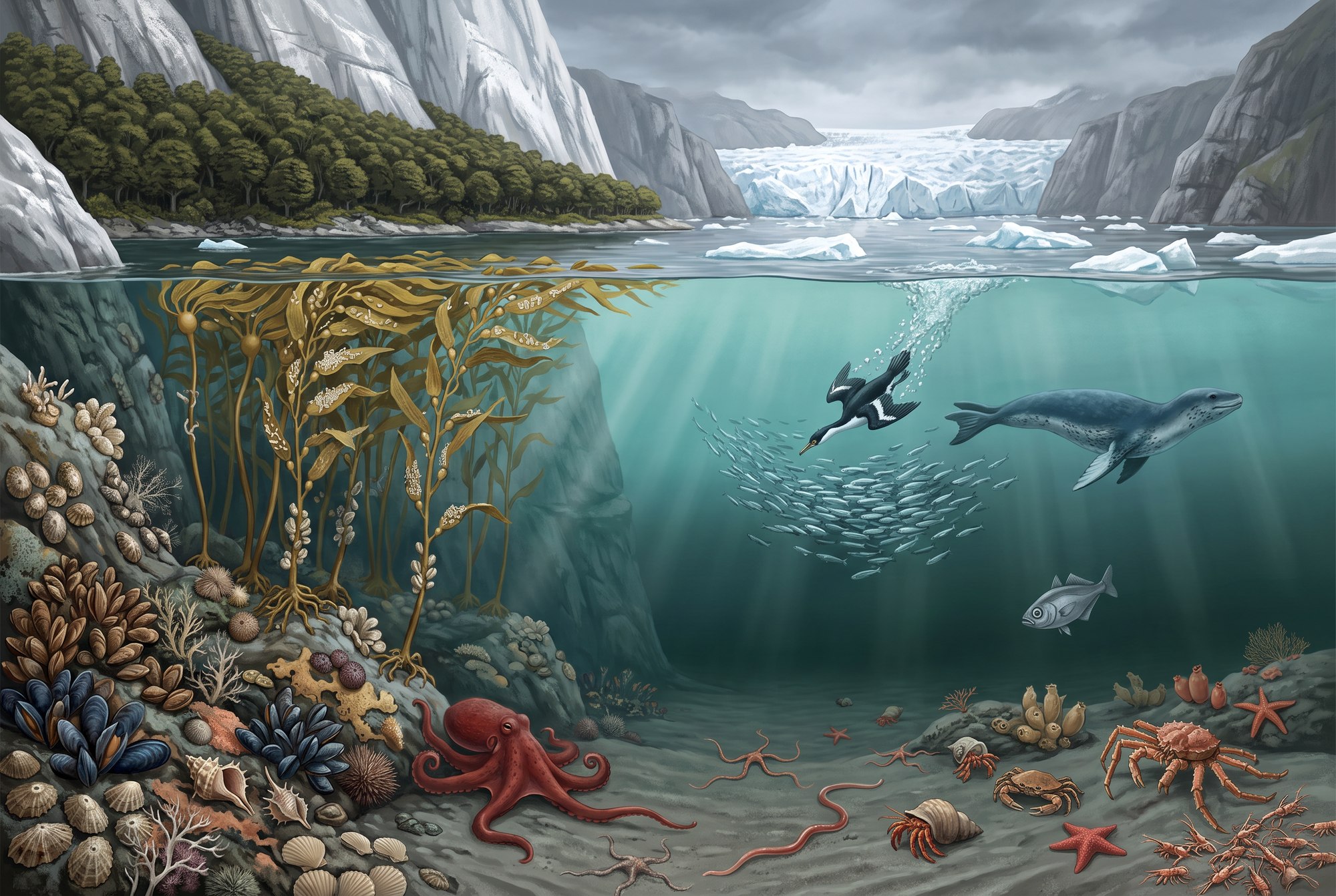
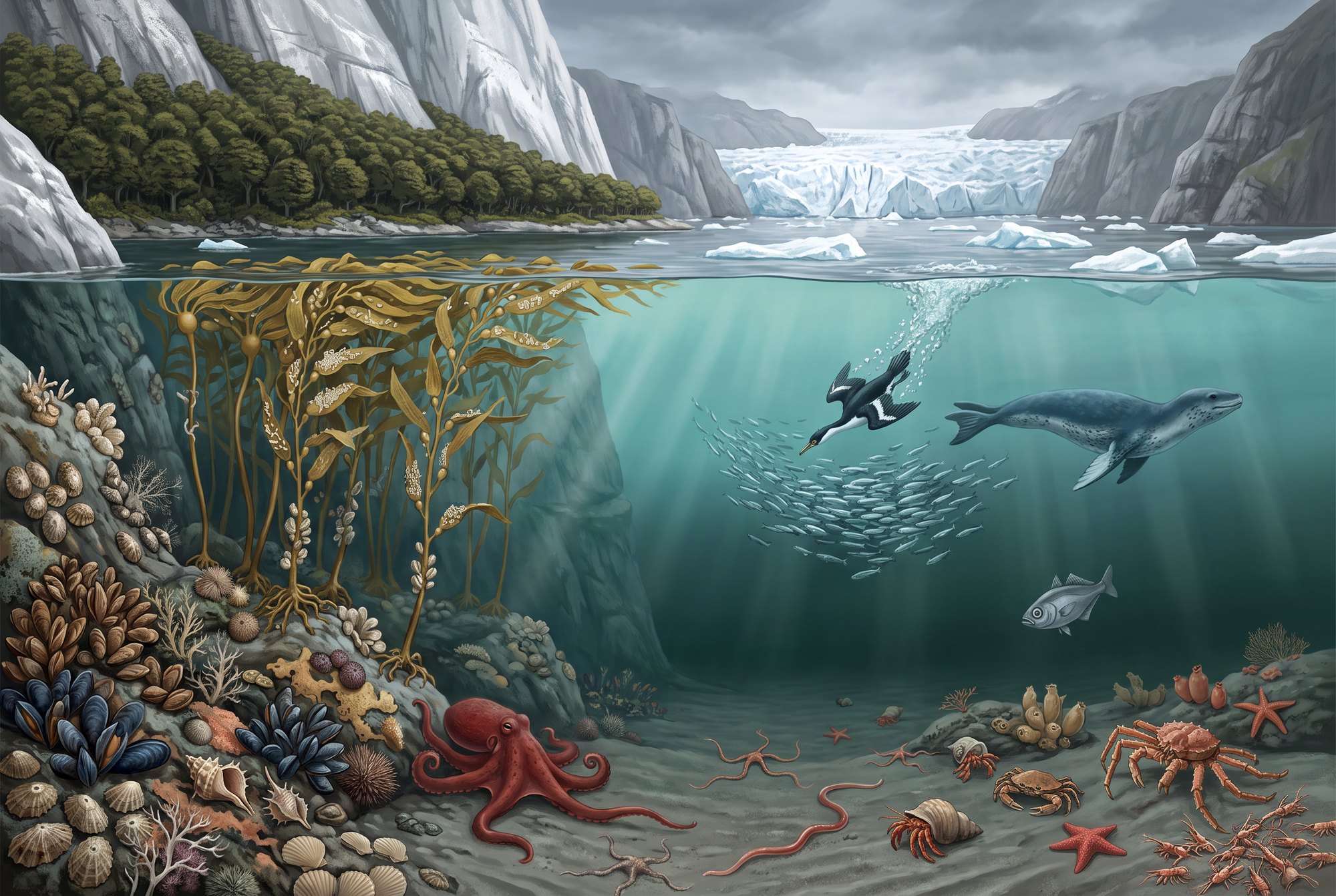
La Bahía Parry de la superficie al fondo de barro, con el huiro, el pulpo rojo y los bancos de ostión. Ilustración de Explora.Parry Bay from the surface to the muddy bottom, with the huiro, the red octopus and the scallop beds. Illustration by Explora.
En enero de 2021, Erik Daza, del Instituto de Fomento Pesquero, llegó con su equipo a la Bahía Parry, en el extremo sureste del Seno Almirantazgo, donde empiezan los fiordos de la Cordillera Darwin. Iban a buscar los bancos de ostión del sur, un molusco de dos conchas que se pesca en Magallanes desde 1971. En el agua flotaban bloques de hielo desprendidos de los glaciares. Para acercarse a la costa dejaban la embarcación principal y seguían en un bote de seis metros. Abajo trabajaba un buzo mariscador con experiencia en la extracción de ostiones, que respiraba por una manguera conectada a un compresor en la superficie. Con él y con una cámara submarina, el equipo recorrió el fondo de la bahía por franjas que, sumadas, daban unos ciento cincuenta kilómetros, más que la distancia en línea recta entre Nueva York y Filadelfia.In January 2021, Erik Daza, of Chile's Fisheries Development Institute, arrived with his team at Parry Bay, at the southeastern end of Admiralty Sound, where the fjords of the Darwin Range begin. They had come to look for the beds of the southern scallop, a two-shelled mollusk that has been fished in Magallanes since 1971. Blocks of ice broken off from the glaciers floated in the water. To get close to the coast they left the main vessel and went on in a six-meter boat. Underwater, a shellfish diver experienced in harvesting scallops breathed through a hose connected to a compressor on the surface. With the diver and an underwater camera, the team surveyed the floor of the bay in strips that added up to about one hundred and fifty kilometers, more than the straight-line distance between New York and Philadelphia.
En las aguas y orillas del seno sobre el que flotaba ese bote viven casi cuatro de cada diez especies de los mamíferos marinos de Magallanes y dos de cada tres especies de aves. A Bahía Jackson, al fondo del seno, llegan cada año los elefantes marinos a tener sus crías y a mudar la piel. Sobre los témpanos del Fiordo Parry descansa la foca leopardo, que vive alrededor de la Antártica. En el agua andan toninas overas, delfines australes, delfines chilenos y orcas. El albatros de ceja negra, que anida en un islote frente a Caleta María, come sobre todo sardina fueguina mientras cría a sus polluelos.The waters and shores of the sound where that boat floated are home to almost four in ten of the marine mammal species of Magallanes and two in three of its bird species. Elephant seals come every year to Jackson Bay, at the far end of the sound, to give birth and to molt. The leopard seal, which lives around Antarctica, rests on the floating ice of Parry Fjord. In the water swim Commerson's dolphins, Peale's dolphins, Chilean dolphins, and orcas. The black-browed albatross, which nests on an islet off Caleta María, feeds mainly on Fuegian sprat while raising its chicks.
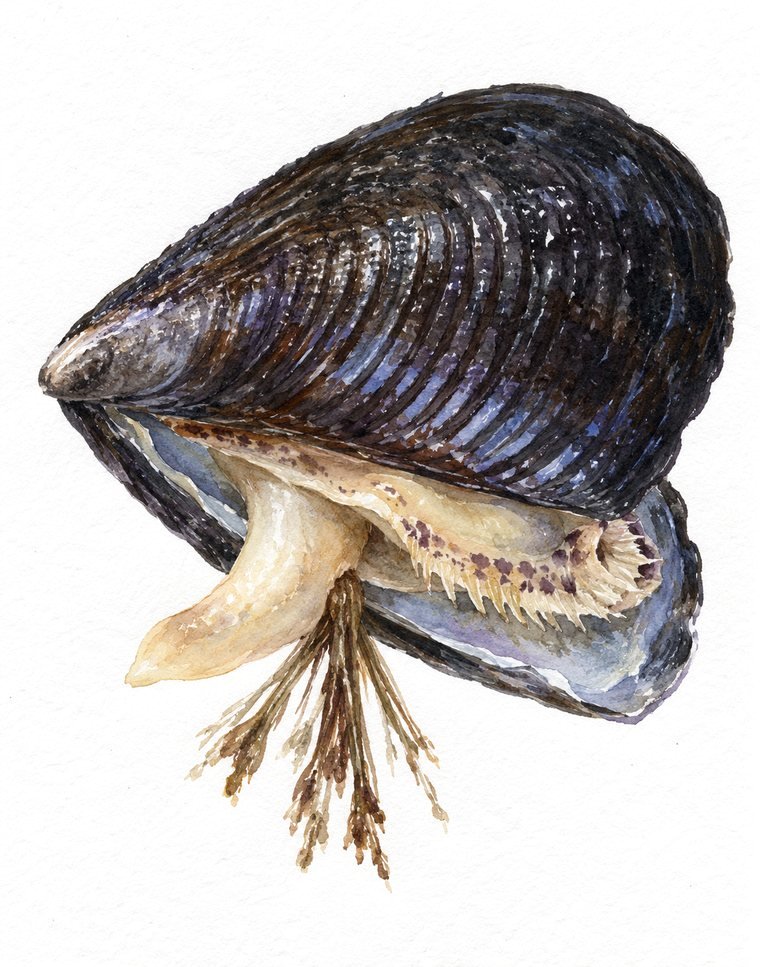
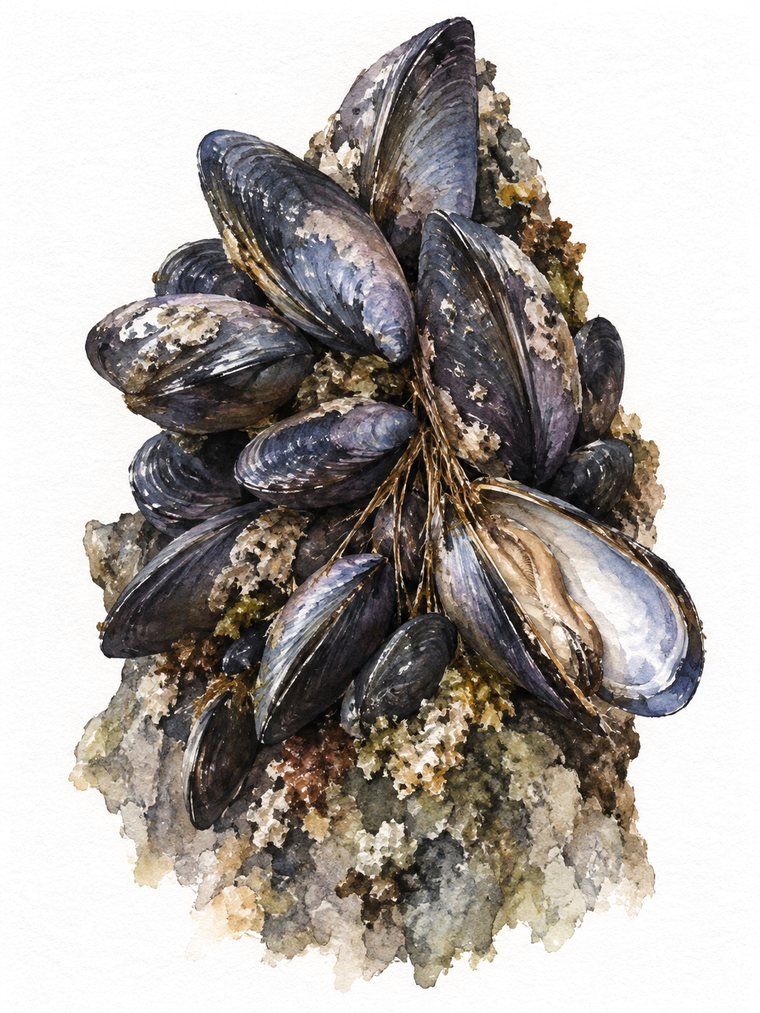
Bajo la superficie, el fondo de la Bahía Parry cambiaba con la profundidad. Los ostiones formaban tres bancos entre los dos y los nueve metros, sobre roca y barro. Se sujetaban al fondo con el biso, un manojo de hebras que el propio animal fabrica. En una franja intermedia, entre los cinco y los nueve metros, había choritos y otros mejillones. El huiro, el alga gigante de estas costas, crecía de los cinco a los veinte metros. Pasados los nueve metros dominaban unos gusanos marinos que viven dentro de tubos. En cada metro cuadrado de los bancos había entre cien y doscientos ostiones, casi todos adultos en edad de reproducirse. En 2009, en la misma bahía, se habían contado en promedio unos cincuenta por metro cuadrado. El equipo atribuyó ese aumento a que en los últimos años se pescaba menos. También pudieron influir veinte años de veda y el área marina protegida que se creó en el seno en 2018.Below the surface, the bottom of Parry Bay changed with depth. The scallops formed three beds at depths of two to nine meters, on rock and mud. They anchored themselves to the bottom with the byssus, a bundle of threads the animal itself produces. In an intermediate band, between five and nine meters, there were Chilean mussels and other mussels. Giant kelp, the huge seaweed of these coasts known locally as huiro, grew at depths of five to twenty meters. Below nine meters, tube-dwelling marine worms dominated. In each square meter of the beds there were between one hundred and two hundred scallops, almost all adults of reproductive age. In 2009, in the same bay, an average of about fifty per square meter had been counted. The team attributed that increase to less fishing in recent years. Twenty years of fishing closures and the marine protected area created in the sound in 2018 may also have played a part.
Uno de los tres bancos, el de una costa cubierta de huiro, era el más difícil de alcanzar, porque tenía hielo flotante todo el año. Cuando el equipo sacó del agua algunas hojas de huiro, encontró prendidos a ellas ostiones jóvenes de unos tres centímetros. Todavía no se sabe dónde se asientan las crías de ostión en la Bahía Parry. Los investigadores propusieron dejar ese banco sin pesca para estudiarlo, porque piensan que en los bosques de huiro se asientan, comen y se reproducen muchos animales.One of the three beds, on a coast covered with kelp, was the hardest to reach, because it had floating ice all year round. When the team pulled some kelp blades out of the water, they found young scallops about three centimeters across clinging to them. It is still not known where young scallops settle in Parry Bay. The researchers proposed leaving that bed closed to fishing in order to study it, because they believe many animals settle, feed, and breed in kelp forests.
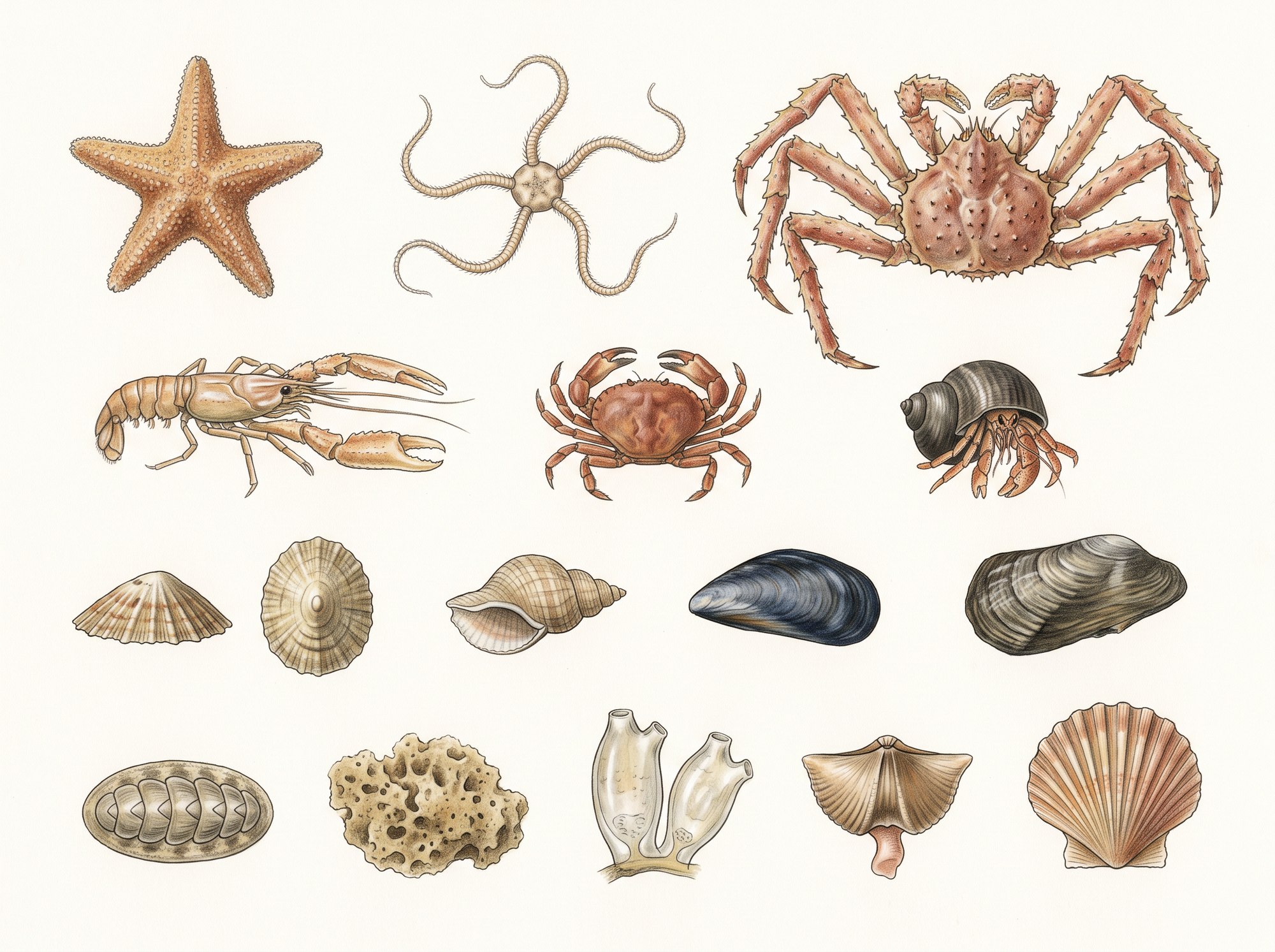
La vida de un fiordo patagónico, de la orilla al fondo. Ilustración de Explora.The life of a Patagonian fjord, from the shore to the bottom. Illustration by Explora.
Tres años después llegó a la Bahía Parry un equipo de la Universidad de Magallanes, con la investigadora Taryn Sepúlveda. El equipo trabajó a bordo del barco Huracán entre el 28 de enero y el 2 de febrero de 2024, para estudiar a los habitantes del fondo y lo que comen. Recogieron a mano lo que había en la orilla con la marea baja y bucearon hasta los once metros. Más abajo de los veinte, arrastraron por el fondo una red pequeña durante cinco minutos.Three years later, a team from the University of Magallanes, with the researcher Taryn Sepúlveda, arrived at Parry Bay. The team worked aboard the vessel Huracán between January 28 and February 2, 2024, to study the inhabitants of the seabed and what they eat. They collected by hand what they found on the shore at low tide and dove to eleven meters. Below twenty meters, they dragged a small net along the bottom for five minutes.
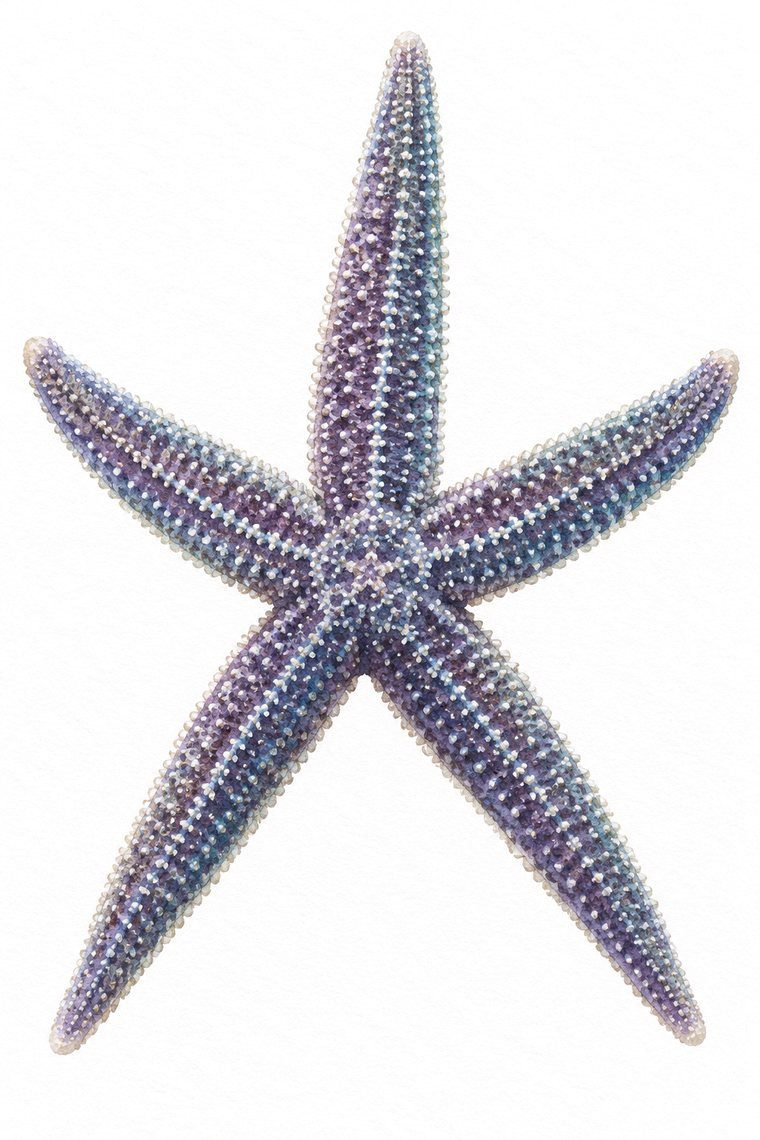
En ese solo punto de la bahía anotaron más de treinta invertebrados distintos. Había dos especies de estrellas de mar y ofiuras, sus parientes de brazos largos y delgados. Había centollas, la misma especie que se pesca en Tierra del Fuego desde hace casi un siglo, junto a langostinos de los canales, cangrejos y un cangrejo ermitaño que vive dentro de conchas vacías. Había lapas, caracoles, cholgas, choros zapato y quitones, unos moluscos con la concha hecha de placas, además de esponjas y ascidias, unos animales con forma de saco que filtran el agua, como el piure. Apareció también un braquiópodo, un animal que parece una almeja pero pertenece a un grupo distinto, el de los braquiópodos, que ya existía en el mar hace más de quinientos millones de años. Entre todos ellos estaba el pulpo rojo patagónico, un cazador grande que come cangrejos, peces y moluscos.At that single spot in the bay they recorded more than thirty different invertebrates. There were two species of sea stars and brittle stars, their relatives with long, slender arms. There were southern king crabs, the same species that has been fished in Tierra del Fuego for almost a century, along with squat lobsters of the channels, crabs, and a hermit crab that lives inside empty shells. There were limpets, snails, ribbed mussels, giant mussels, and chitons, mollusks with a shell made of plates, as well as sponges and sea squirts, sac-shaped animals that filter water, like the piure. There was also a brachiopod, an animal that looks like a clam but belongs to a separate group, one that already existed in the sea more than five hundred million years ago. Among them all was the Patagonian red octopus, a large hunter that eats crabs, fish, and mollusks.
Más hondo, el fondo del seno es de barro. En noviembre de 2018, una expedición del Museo de Historia Natural Río Seco, de Punta Arenas, bajó una draga hasta ese barro en tres puntos del seno, a entre 35 y 50 metros de profundidad. La draga es una pala de metal que se cierra al tocar el fondo y sube un bocado de sedimento. Un equipo de la Universidad de Magallanes y de la Wildlife Conservation Society, la organización que administra el Parque Karukinka, separó después bajo la lupa cada animal de ese barro. En el seno encontraron 72 especies y, en promedio, más de 1.300 animales por metro cuadrado de fondo, frente a menos de 900 en Bahía Inútil, al otro lado del canal Whiteside. Más de ocho de cada diez eran gusanos marinos y almejas pequeñas. En las partes más hondas del seno, pasados los 130 metros y hasta casi los 300, la altura de la torre Eiffel, el fondo también es de barro.Deeper down, the floor of the sound is mud. In November 2018, an expedition from the Río Seco Natural History Museum, in Punta Arenas, lowered a grab into that mud at three points in the sound, at depths of 35 to 50 meters. The grab is a metal scoop that closes on touching the bottom and brings up a mouthful of sediment. A team from the University of Magallanes and the Wildlife Conservation Society, the organization that manages Karukinka Natural Park, later sorted every animal from that mud under magnification. In the sound they found 72 species and, on average, more than 1,300 animals per square meter of seabed, compared with fewer than 900 in Useless Bay, on the other side of the Whiteside Channel. More than eight in ten were marine worms and small clams. In the deepest parts of the sound, beyond 130 meters and down to almost 300, the height of the Eiffel Tower, the bottom is also mud.
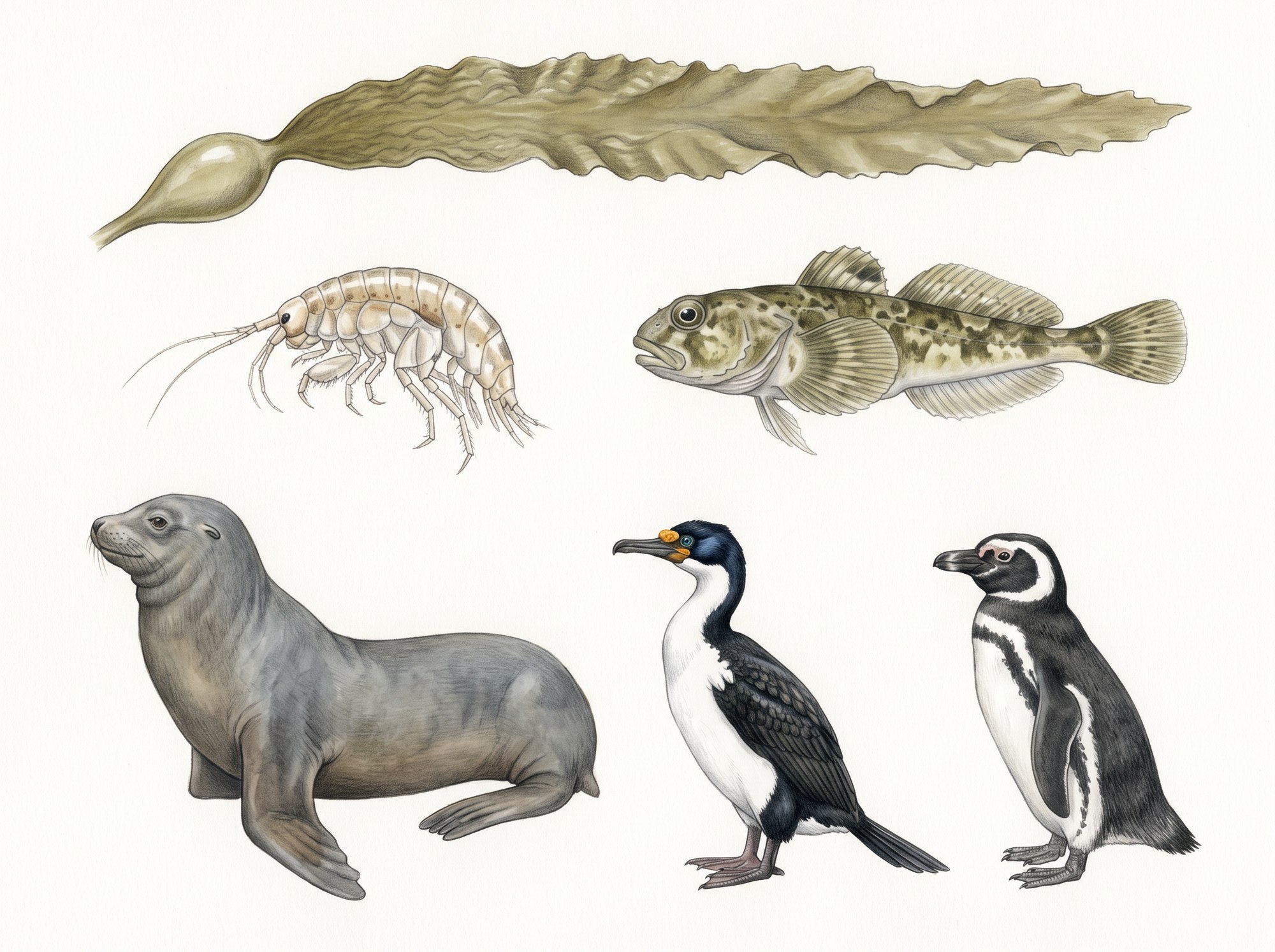
Lo que vive agarrado a la roca y lo que pasa nadando. Ilustración de Explora.What lives gripped to the rock and what swims past. Illustration by Explora.
En una de sus expediciones submarinas a los bancos de ostiones del seno, la Wildlife Conservation Society encontró un hidrozoo, un animal del mismo grupo que muchas medusas pequeñas, que resultó ser una especie nueva para la ciencia.On one of its underwater expeditions to the scallop beds of the sound, the Wildlife Conservation Society found a hydrozoan, an animal from the same group as many small jellyfish, which turned out to be a species new to science.
Esa abundancia se sostiene en buena parte con el agua de los glaciares. El deshielo que baja de la Cordillera Darwin trae nutrientes con los que crece mucho plancton, las algas microscópicas y los animales diminutos que flotan en el agua. En la Bahía Parry, los animales del fondo comen de varias fuentes a la vez, de las partículas que flotan en el agua, de las algas y sus restos, y de lo que se acumula en el barro.That abundance is sustained in large part by glacier water. The meltwater coming down from the Darwin Range brings nutrients that make plankton—the microscopic algae and tiny animals that drift in the water—grow in abundance. In Parry Bay, the animals of the seabed feed on several sources at once: particles floating in the water, algae and their remains, and what accumulates in the mud.
En ese fondo, muchas especies comen y viven de manera parecida, de modo que si una falta, otra puede ocupar su lugar. El pulpo rojo patagónico es la excepción más marcada. Tanto en los bancos de ostiones estudiados en 2021 como en el muestreo de 2024, fue la especie de la Bahía Parry cuya manera de vivir menos se repetía en otros animales, la más difícil de reemplazar. Además se pesca en el sur de Chile, lo que lo deja más expuesto. Si desapareciera de la bahía, ningún otro animal del fondo haría fácilmente lo que hace él.On that seabed, many species feed and live in similar ways, so that if one is missing, another can take its place. The Patagonian red octopus is the most striking exception. Both in the scallop beds studied in 2021 and in the 2024 sampling, it was the species in Parry Bay whose way of life was least shared by other animals, the hardest to replace. It is also fished in southern Chile, which leaves it more exposed. If it disappeared from the bay, no other seabed animal would easily do what it does.
Al navegar desde Caleta María hacia los fiordos Parry y Cuevas se cruza la Bahía Parry, donde bucearon los equipos de 2021 y de 2024. En el Fiordo Parry, frente a Bahía Blanca y a menos de cinco kilómetros de donde pasa el bote, la draga de 2018 sacó una de sus muestras de barro.Sailing from Caleta María toward the Parry and Cuevas fjords, the boat crosses Parry Bay, where the 2021 and 2024 teams dove. In Parry Fjord, off Blanca Bay and less than five kilometers from where the boat passes, the 2018 grab brought up one of its mud samples.
9 fuentes9 sources+
- Borras-Chavez, R., Soteres, R. L., Gómez-González, G., Martínez, F., Fernández-Ferrada, N., Castillo-Aguilar, M., Moreno Azua, F., Dougnac, C., Arredondo, C., Brown, N., Sperou, E. S., Bonin, C. A., Goebel, M. E., Guerrero, A. I., Donke, M. y Kienle, S. S. (2024). Occurrence, residency, and habitat characterization of leopard seals in Chile. Frontiers in Ecology and Evolution, 12, Artículo 1448098. https://doi.org/10.3389/fevo.2024.1448098
- Daza, E., Almonacid, E., Vargas, C., Montenegro, C., Canales, C. y Gallardo, P. (2023). Evaluación poblacional del ostión del sur Austrochlamys natans (Philippi, 1845) (Bivalvia: Pectinidae), en la bahía Parry, área marina costera protegida de múltiples usos, seno Almirantazgo y recomendaciones para su conservación. Anales del Instituto de la Patagonia, 51, 1–29. https://doi.org/10.22352/AIP202351011
- Explora. (2026). Rutas de exploraciones y puntos de interés de Tierra del Fuego [Conjunto de datos geográficos no publicado, archivos KMZ].
- IUCN Joint SSC/WCPA Marine Mammal Protected Areas Task Force. (2023). Almirantazgo Sound IMMA factsheet. https://www.marinemammalhabitat.org/portfolio-item/almirantazgo-sound-imma/
- Jara, N., Montiel, A. y Cáceres, B. (2024). The roles of alpha, beta, and functional diversity indices in the ecological connectivity between two sub-Antarctic macrobenthic assemblages. Diversity, 16(7), Artículo 430. https://doi.org/10.3390/d16070430
- Sepúlveda, T., Andrade, C. D., Rivera, C., Troncoso, J. S. y Aldea, C. (2026). Decoupling between benthic trophic and functional structure in sub-Antarctic Patagonian fjords under contrasting environmental stressors. Environments, 13(10), Artículo 539. https://doi.org/10.3390/environments13100539
- Wildlife Conservation Society Chile. (2020). Memoria anual 2019.
- Wildlife Conservation Society Chile. (2021). Relatos interpretativos del Parque Karukinka. https://chile.wcs.org/Portals/134/Relatos%20Interpretativos%20del%20Parque%20Karukinka.pdf
- Nota. El estudio de 2021 de Sepúlveda y otros sobre la fauna de los bancos de ostiones se cita según Sepúlveda y otros (2026), y la lista de especies de 2024 sale de su material suplementario. La cuenta de especies, la proporción de gusanos y almejas y la distancia de la draga al recorrido son cálculo y medición propios. Qué son el biso, las ofiuras, los quitones, las ascidias, los braquiópodos, los hidrozoos y la draga, la edad del grupo de los braquiópodos, el sistema de buceo con compresor, la altura de la torre Eiffel (unos 300 m sin antenas) y la distancia Nueva York–Filadelfia (unos 130 km en línea recta) son conocimiento general.Note. The 2021 study by Sepúlveda et al. on the fauna of the scallop beds is cited according to Sepúlveda et al. (2026), and the 2024 species list comes from its supplementary material. The species count, the proportion of worms and clams, and the distance from the grab site to the route are our own calculation and measurement. What the byssus, brittle stars, chitons, sea squirts, brachiopods, hydrozoans, and the grab are, the age of the brachiopod group, the compressor diving system, the height of the Eiffel Tower (about 300 m without antennas), and the New York–Philadelphia distance (about 130 km in a straight line) are general knowledge.
Lo que sale aquíWhat appears here
Seguir por lagos, ríos y marMore on lakes, rivers and sea
Ecosistemas · 6 minEcosystems · 6 min
Los bosques de huiro del Seno AlmirantazgoThe Kelp Forests of Admiralty Sound
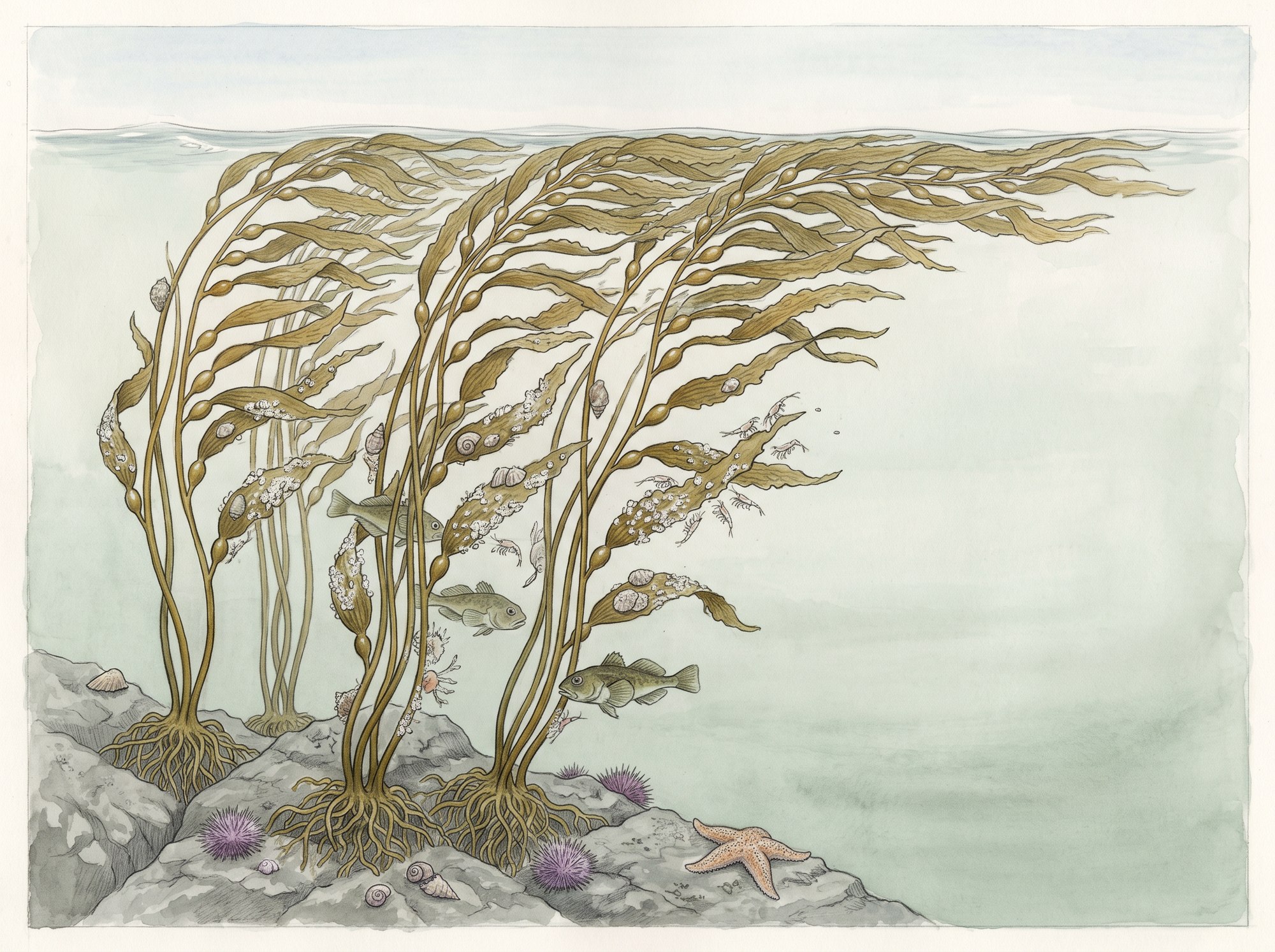
Cuando Charles Darwin sacudía la base de un huiro, caían juntos peces, cangrejos, erizos y estrellas de mar. Creía que, si esa alga desapareciera de T…When Charles Darwin shook the base of a kelp plant, fish, crabs, sea urchins, and starfish all fell out together. He believed that if that seaweed dis…
Conservación · 7 minConservation · 7 min
El área marina de múltiples usos del Seno AlmirantazgoThe Multiple-Use Marine Area of Admiralty Sound
Cuando se les preguntó qué era un área protegida, más de cuatro de cada diez pescadores consultados en Magallanes respondieron que un lugar cerrado. L…When asked what a protected area was, more than four in ten of the fishermen consulted in Magallanes said it was a closed-off place. The one created i…